The Project
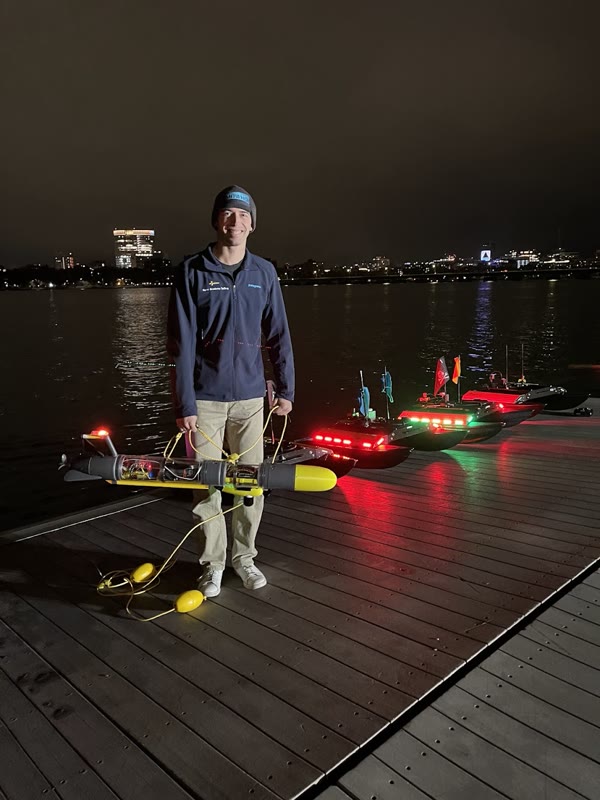
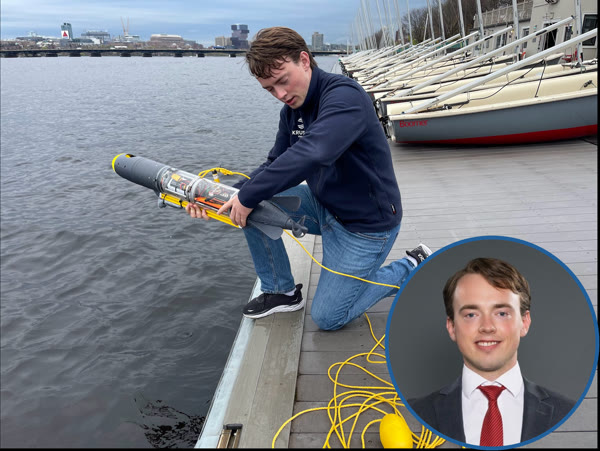
Spurdog is an experimental autonomous underwater vehicle developed at MIT's Marine Autonomy Lab. The platform prioritizes affordability, modularity, and reproducibility — with a core cost under $3,000 USD using commercially available components and custom parts manufactured through SLA printing, urethane casting, injection molding, and CNC methods.
At 38" x 4.5" minimum and 18 lbs, the vehicle is compact and field-configurable. A patent-pending Trident aft section provides three-axis control, and the Sequential Coupling System (SCS) facilitates payload integration through standardized mechanical, power, and communication interfaces.
The vehicle runs the MOOS-IvP autonomy framework with ROS2 integration, powered by a Raspberry Pi 4 with Navigator Flight Controller. It is designed for multi-vehicle fleet operations, cooperative navigation, and modular payload integration.
Lab & Institution
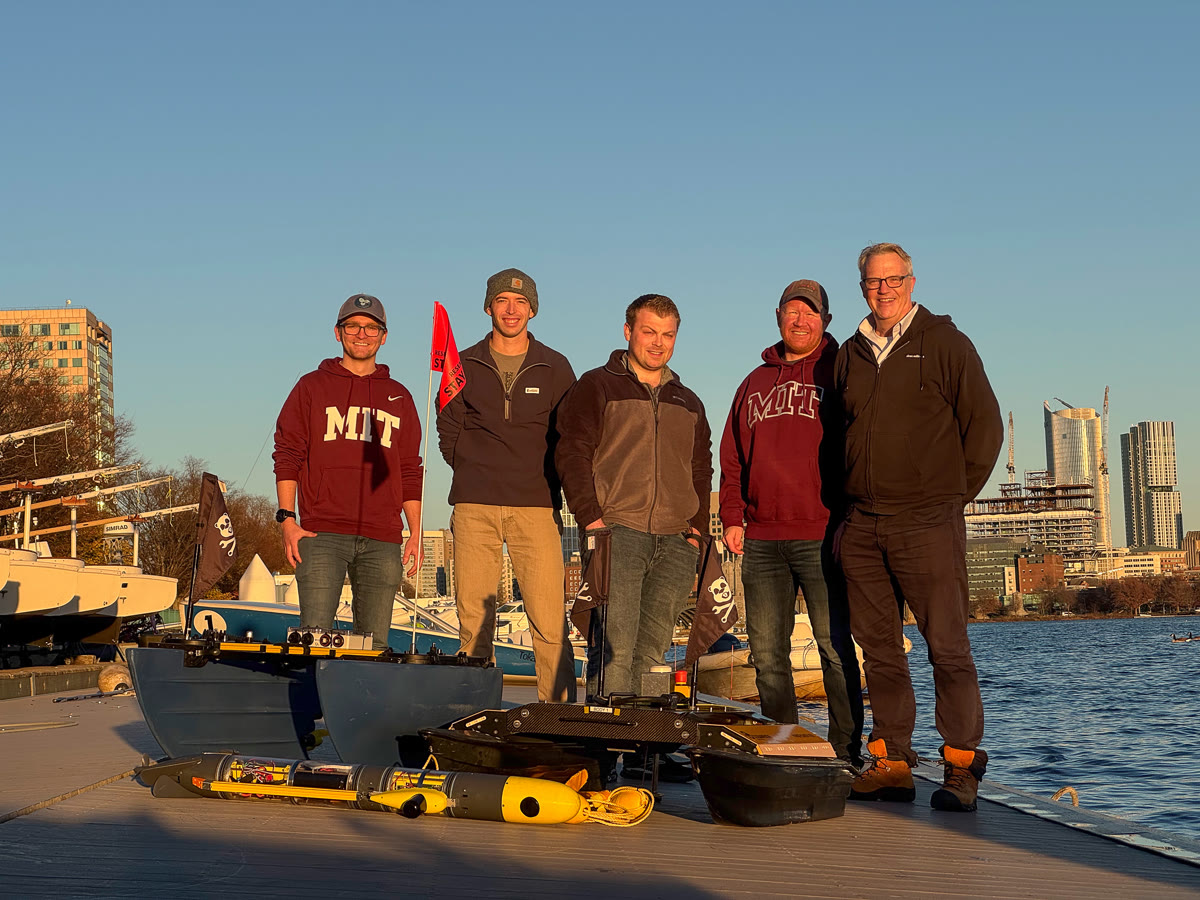
The Spurdog project is developed at the MIT Marine Autonomy Lab, part of the Department of Mechanical Engineering and the Computer Science and Artificial Intelligence Laboratory (CSAIL) at the Massachusetts Institute of Technology.
Team
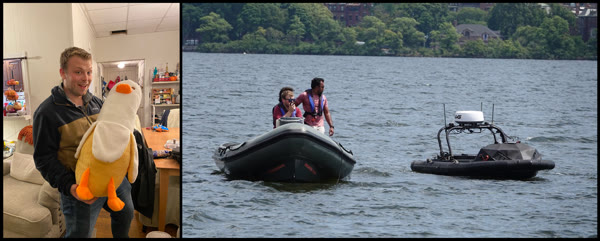
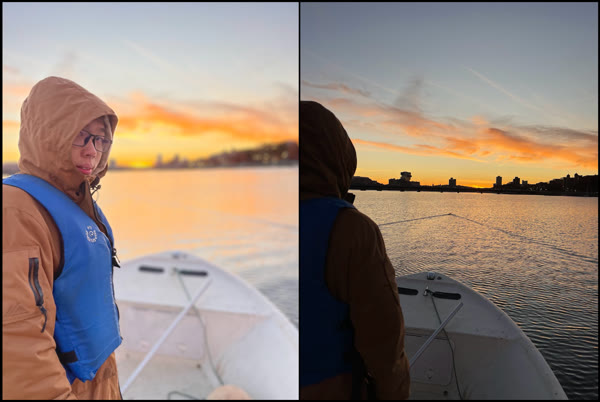
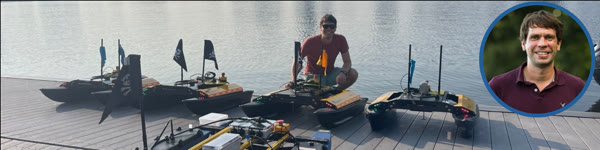
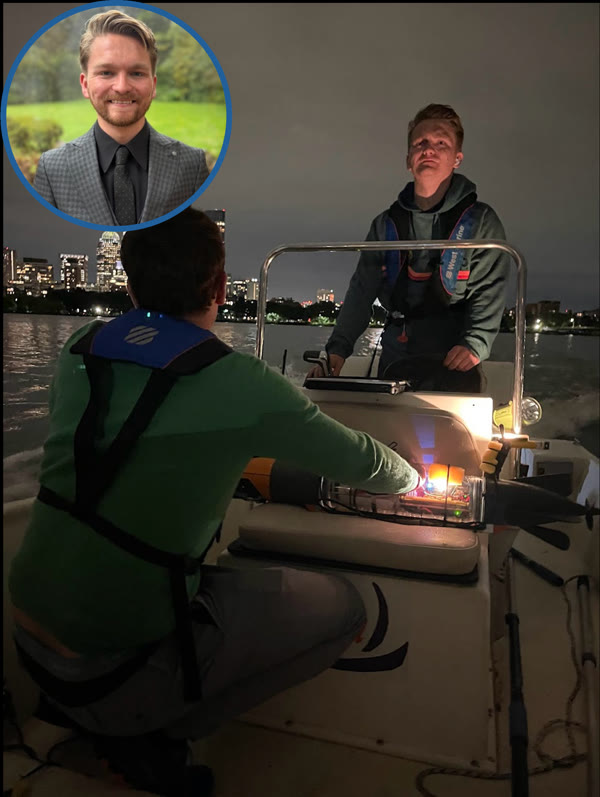
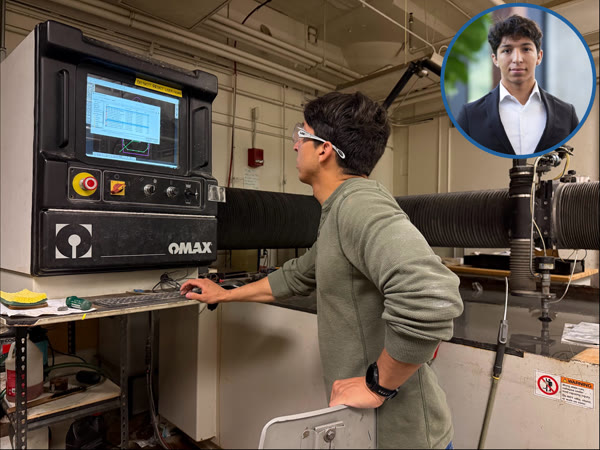
The Spurdog team includes principal investigators, research scientists, and graduate and undergraduate students at MIT. Meet the team.



Licensing & Access
Spurdog hardware designs and software are source-available to approved U.S. national labs, universities with national-lab partnerships, and select universities on a case-by-case basis. This is not a fully public open-source release in the OSI sense — access is controlled and requires approval.
Vehicle designs and distribution are strictly prohibited for any commercial use or applications without explicit written permission and proper procedures followed through MIT TLO. Email rturrisi@mit.edu for inquiries.
See Documentation & Reproducing for access details.